
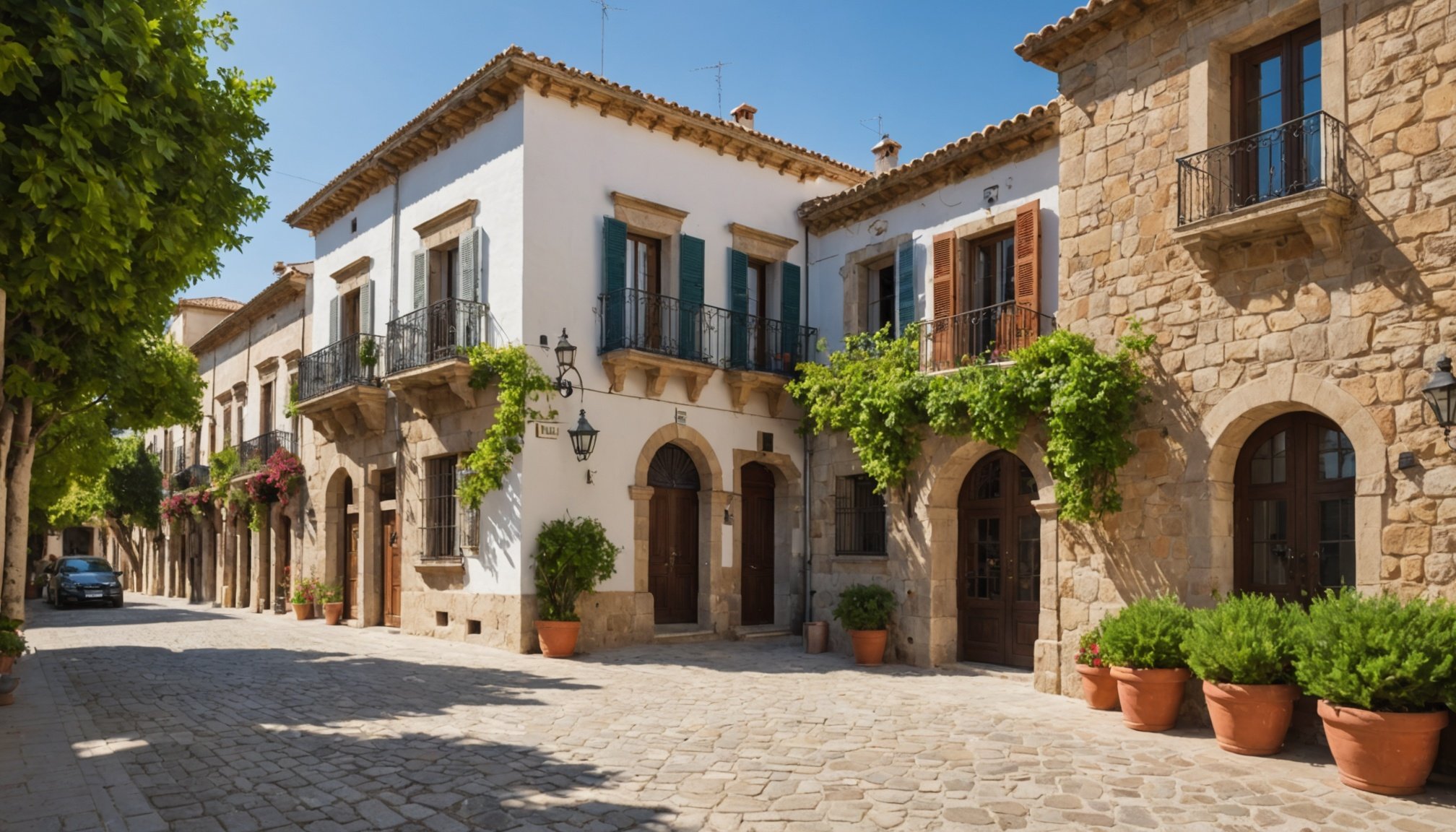
Buying property in Spain offers diverse opportunities but requires clear understanding of legal steps, costs, and regional differences. This guide breaks down essential processes and practical tips to help buyers—especially foreigners—make informed decisions and avoid common pitfalls. Whether seeking a coastal retreat or an inland home, knowing current market trends and key factors ensures a smooth, confident purchase experience.
Understanding the Spanish Property Market for International Buyers
The Spanish real estate market has experienced notable growth, with property prices increasing by 4% early in 2025. Popular regions among foreign buyers include the Costa del Sol, Valencia, and inland cities like Madrid. These areas offer diverse options, from beachfront villas to city apartments.
A lire également : Exploring the Impact of the UK”s Future Homes Standard on Modern Housing Developments
Buying property abroad, especially in Spain, involves awareness of legal requirements, taxes, and local market trends. Foreigners face no restrictions but must obtain an NIE number and work with qualified professionals like lawyers and trusted agents.
Recent market trends point to limited supply in high-demand locations, fueling competition and price increases, especially in Madrid and Cordoba. Key pitfalls of buying include ensuring proper due diligence, verifying property legality, and avoiding scams—working with registered agents or lawyers minimizes risks.
En parallèle : Unlocking Compliance: A Developer”s Guide to Navigating England”s New Biodiversity Net Gain Regulations
Understanding property prices in Spain, which can be between 36% and 51% lower than in the UK, is crucial for budget planning. It’s advisable to explore online portals like Idealista or Rightmove Spain for local listings.
This page explains it in detail: https://spaineasy.com/blog/buying-a-house-in-spain-in-2025/.
Step-by-Step Guide to Purchasing Property in Spain
Legal and Administrative Requirements
Foreign buyers must secure a NIE number for non-residents early in the property purchase process Spain. This tax identification is critical for all legal requirements for buying property in Spain—without it, signing property deeds or handling payments is impossible. Appointing a solicitor is strongly suggested; these legal experts streamline due diligence, verifying that all property titles match the Registro de la Propiedad and protecting buyers from fraud. Title checks and a structural survey also help ensure that the property corresponds to cadastral records, reducing risks during the property buying abroad experience.
Financial Considerations and Costs
Careful budgeting for property taxes Spain, agent commissions, notary fees, and registration costs accompanies any property purchase process Spain. Taxes can represent 6%–11% for resales or 10% VAT for new builds, plus additional fees. International buyers should compare currency exchange providers to save on transferring money abroad Spain, avoiding poor rates and hidden costs. Mortgage options for foreigners in Spain vary, with banks typically lending 60%–70% to non-residents; arranging approval early is vital to secure the property.
Viewing, Negotiation, and Closing
Property viewing in Spain is simplified by using online property portals and reputable real estate agents Spain. Negotiation tips include researching local market values for confident offers and leveraging a solicitor’s expertise. The final step of the property purchase process Spain is signing the public deed before a notary and ensuring property registration is updated—this secures legal ownership and completes the legal requirements for buying property in Spain.
Guide to Taxes, Fees, and Financial Commitments in Spain
Property taxes Spain are an unavoidable aspect of the buying process, and understanding each charge is vital before committing to a purchase. The largest up-front cost for buyers is typically the property transfer tax for resale properties, which ranges from 6% to 11% depending on the region, or a 10% VAT for new builds. New build purchases also include a legal documentation tax, adding approximately 1.5%. Expect additional costs for notary services, land registration, and legal fees—altogether amounting to around 2%-3% of the purchase price.
Once the transaction is complete, new owners must pay annual property taxes Spain imposes, such as IBI (Impuesto sobre Bienes Inmuebles), which is based on the property’s cadastral value and collected by the local municipality. Community fees apply to shared blocks or gated developments, covering communal maintenance and repairs.
Taxes on property purchase Spain can shift based on whether you are a resident or a non-resident, impacting obligations like Non-Resident Income Tax or allowances for rental deductions. Each property type—be it apartments, detached houses, or holiday rentals—may attract different rates or requirements under Spanish property taxes.
Types of Properties and Popular Regions in Spain
Residential and Commercial Property Options
Property types in Spain range widely, enabling buyers to select what best suits their circumstances and long-term goals. Buyers may consider apartments, houses, or villas for sale across urban centers and quieter suburbs. There are also viable avenues for those seeking commercial property, including opportunities in key economic hubs. New build properties provide up-to-date amenities, energy efficiency, and require fewer repairs, making them attractive for ease of ownership. Resale properties often deliver character and established locations, which many buyers find appealing, though property surveys are recommended before commitment.
Regional Highlights and Market Insights
Buying property in Alicante, Malaga, and the Costa del Sol places buyers in regions with strong rental yields and ongoing market demand. Coastal properties Spain consistently show higher values and seasonal appeal, providing investment opportunities and lifestyle benefits. In contrast, inland towns often offer lower prices and slower market growth, a consideration for budget-conscious or long-term investors. Notably, best regions to buy property in Spain vary, but high tourist traffic and infrastructure bolster the reputations of these coastal locations.
Special Property Categories
Coastal properties Spain include options such as luxury properties, gated communities, and holiday homes. Rural and agricultural land presents prospects for buyers focused on privacy or farming pursuits. For those interested in personalization, renovation properties and the prospect of buying off-plan open up further possibilities in the diverse property types in Spain marketplace.
Guide to the Property Purchase Process in Spain
Buying property abroad is a significant commitment, and Spain’s detailed legal framework shapes the property purchase process Spain-wide. To begin, obtaining an NIE number for non-residents is mandatory—this unique identifier is required for any property transactions, opening a bank account, and tax matters. Without it, your purchase is not legally recognised.
The next step in the Spanish real estate market is securing financing property Spain, commonly through mortgages for foreigners. Spanish banks generally offer between 60% and 70% loan-to-value ratios to non-residents. Consequently, buyers should prepare a substantial deposit and factor in added purchase costs, such as notary fees and taxes on property purchase Spain.
When searching for villas for sale Spain, apartments for sale Spain, or houses for sale Spain, diligent research minimises risk. Use online property portals Spain and experienced real estate agents Spain, particularly for property viewing in Spain and negotiating contracts. Always verify details with the local property registry and, for extra security, request a structural survey.
After selecting one of the property types in Spain that suits your goals—whether coastal properties Spain, new build properties Spain, or resale properties Spain—conduct thorough due diligence. This reduces exposure to common pitfalls of buying in a fast-moving Spanish real estate market and ensures a smooth transfer of property registration Spain and title deeds.